
A short story of hope
Once upon a time in a small, secluded village, there lived a woman named Alina.
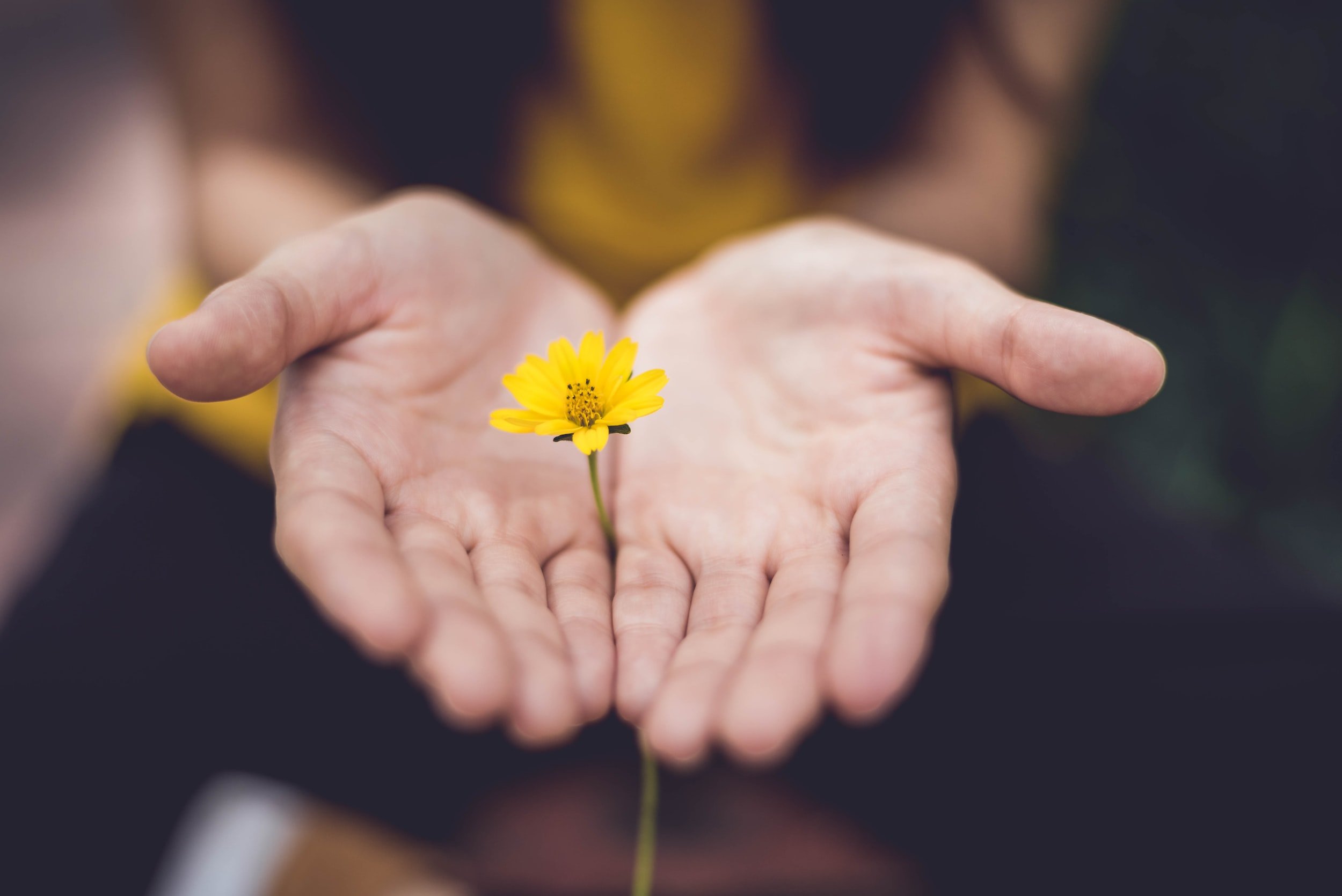
Once upon a time in a small, secluded village, there lived a woman named Alina.
Her life had been filled with hardships and sorrow, yet she remained kind and compassionate. She often tended to the village's sick and offered comfort to those in need. Despite her own pain, she never let it deter her from her mission to help others.
One fateful day, a powerful storm swept through the village, leaving devastation in its wake. Many homes were destroyed, including Alina's, and she lost nearly everything she held dear. She was buried under the rubble, her body battered, and her spirit nearly broken. As she lay there, trapped and frightened, she felt an overwhelming sense of despair.
Hours passed, and as the storm subsided, the villagers banded together to rebuild their lives. They eventually found Alina, weak and injured, and rushed her to the village healer. As she lay in bed, she was plagued by nightmares that made her relive the storm over and over again. She could barely sleep, and her physical and emotional pain only worsened. One night, as Alina lay awake, her heart heavy with sadness, a mysterious, gentle voice whispered in her ear, "Seek the heart of the forest, and you shall find what you are looking for." Startled, she looked around, but saw no one. The voice, however, echoed in her mind and gave her a newfound sense of purpose.
Determined to find solace and healing, Alina mustered her strength and set out on a journey to the heart of the forest. She walked for days, her body aching and her spirit weary. Finally, she arrived at an ancient, towering oak tree. Its branches seemed to reach the sky, and its roots were as deep as the earth itself. It emanated an aura of serenity and wisdom.
Alina approached the tree, her heart pounding in her chest. "Please," she whispered, "show me the way to heal and find peace." A warm, golden light enveloped her, and she felt the tree's ancient energy flow through her. Images of her past traumas and pain surfaced in her mind, and she began to understand the lessons they held. The tree showed Alina how her suffering had shaped her into a compassionate, empathetic soul. She realized that her pain had allowed her to connect deeply with others and that her own healing journey would empower her to help heal others even more effectively.
The light dissipated, leaving Alina with a profound sense of peace and understanding. She knew that her suffering was not in vain, and her trauma had been the catalyst for her spiritual growth. Embracing her newfound wisdom, Alina vowed to continue her mission to heal and comfort others, now with an even greater capacity for empathy and understanding.
As she returned to her village, the people marveled at her transformation. Alina's strength and resilience inspired those around her, and she became a beacon of hope and healing for the entire village. She had transcended her trauma, and through her enlightenment, she helped others heal and find peace in the midst of their own storms.
Never give up.
Helena and Brian

Yin and Yang: The Dance of Opposites
They embody the belief that everything in existence has an inherent duality. This Life in Synergy blog will delve into the origins of yin and yang, their symbolism, and how they influence various aspects of life.

Yin and yang are fundamental concepts in Chinese philosophy, representing the interconnectedness and interdependence of opposing forces in the universe.
They embody the belief that everything in existence has an inherent duality. This Life in Synergy blog will delve into the origins of yin and yang, their symbolism, and how they influence various aspects of life.
Origins of Yin and Yang
Yin and yang originated from ancient Chinese cosmology, dating back to the Yin and Zhou dynasties (approximately 1600-256 BCE). These concepts were later refined and elaborated upon by prominent Chinese philosophers such as Confucius and Laozi. They are integral to Daoist philosophy, which focuses on the harmony and balance of natural forces.
Symbolism and Meaning
Yin and yang are symbolized by a circle divided by a curved line, forming two teardrop-shaped sections. Each section contains a small dot of the opposite color, representing the presence of the other within it. Yin, the darker section, is associated with femininity, darkness, cold, passivity, and receptivity. Yang, the lighter section, represents masculinity, light, heat, activity, and assertiveness.
Interconnectedness and Balance
Yin and yang are interconnected and interdependent, as one cannot exist without the other. They are constantly in motion, transforming into one another and maintaining balance in the universe. The harmony between yin and yang can be observed in nature, where opposing forces work together to create balance and unity.
Influence on Daily Life
Yin and yang can be applied to various aspects of daily life, including health, relationships, and personal development. In traditional Chinese medicine, illness results from an imbalance of yin and yang energies in the body. By restoring balance through acupuncture, herbal medicine, or qigong, health can be restored.
In relationships, a harmonious partnership is achieved when both partners embody a balance of yin and yang qualities. Recognizing and appreciating the duality in each other strengthens the bond.
Personal development involves finding balance within oneself by embracing both yin and yang qualities. Cultivating self-awareness and mindfulness can help individuals achieve a state of harmony and inner peace.
Yin and yang are ancient concepts that continue to resonate in modern times, providing insight into the nature of duality and balance in our lives. By understanding and embracing these principles, we can cultivate harmony within ourselves and our relationships, ultimately leading to a more fulfilling and balanced life.
Helena and Brian

Harnessing the Power of Love Energy: A Journey Through the Universal Force
It is an innate force within every individual, capable of fostering strong emotional connections and personal growth. As a core principle that guides us in our daily lives, love energy has the power to heal, uplift, and transform not only ourselves but….

Love energy is a concept that transcends culture, language, and time.
It is an innate force within every individual, capable of fostering strong emotional connections and personal growth. As a core principle that guides us in our daily lives, love energy has the power to heal, uplift, and transform not only ourselves but the world around us. In this deep and intensely detailed blog, we will explore the multifaceted nature of love energy, its impact on our lives, and how we can harness its power for personal growth and universal harmony.Understanding Love Energy
Defining Love Energy
Love energy is the universal force that binds all living beings together. It is the essence of compassion, empathy, and emotional connection. Love energy is not limited to romantic relationships; it can be experienced in friendships, familial bonds, and even our relationship with the environment and the world at large.
The Different Forms of Love Energy
Love energy can manifest in various forms, such as:
Unconditional love: The purest form of love energy, which is selfless, boundless, and without expectations.
Romantic love: The passionate and intimate connection between partners, often accompanied by a strong desire to nurture and protect.
Platonic love: The deep bond between friends, marked by trust, loyalty, and mutual respect.
Familial love: The strong connection between family members that is built on shared experiences, values, and unconditional support.
Self-love: The ability to accept, care for, and nurture oneself, recognizing one's worth and fostering personal growth.
The Science Behind Love Energy
The Neurochemistry of Love
The experience of love triggers a complex series of neurochemical processes within the brain. Key hormones and neurotransmitters, such as oxytocin, dopamine, and serotonin, are released in response to love and emotional bonding. These chemicals not only strengthen emotional connections but also contribute to overall mental and physical well-being.
The Heart's Electromagnetic Field
The heart generates a powerful electromagnetic field that can be detected up to several feet away from the body. Research has shown that this field can be influenced by our emotions, particularly love and compassion. When we experience love energy, our heart's electromagnetic field becomes more coherent and harmonious, positively impacting not only our own health but also those around us.
The Impact of Love Energy on Personal Growth and Relationships
Healing and Transformation
Love energy has the power to heal emotional wounds and transform negative patterns in our lives. By cultivating love for ourselves and others, we can release past traumas, create healthier relationships, and achieve a greater sense of inner peace and harmony.
Empathy and Compassion
Harnessing love energy allows us to better understand and empathize with the emotions and experiences of others. This heightened sense of empathy and compassion fosters deeper connections and promotes greater understanding, tolerance, and acceptance of others.
Personal Growth
When we tap into love energy, we are motivated to grow and evolve both emotionally and spiritually. This growth encourages us to be more authentic, self-aware, and open to change, ultimately enabling us to live more fulfilling lives.
IV. Harnessing Love Energy: Techniques and Practices
Mindfulness and Meditation
Practicing mindfulness and meditation as found in the Apex Life in Synergy online course can help us tap into our innate love energy by fostering a deeper awareness of our thoughts, emotions, and bodily sensations. Through this heightened self-awareness, we can begin to cultivate self-love and compassion, ultimately extending these feelings to others.
Heart-Centered Practices
Heart-centered practices, such as loving-kindness meditation and gratitude exercises, can help us focus on cultivating love energy within ourselves and our relationships.
The power of love can change the world, but it takes loving action(s) not loving complacency.
Helena and Brian

The Art of Fumbled Opportunities and the Symphony of BS: A Masterclass
Today, we'll embark on a whimsical journey through the chaotic universe of missed chances and never-ending BS. A realm….

Greetings, fellow aficionados of life's absurdities!
Today, we'll embark on a whimsical journey through the chaotic universe of missed chances and never-ending BS. A realm where the mighty gods of Sarcasm and Irony reign supreme, and where humans with butterfingers excel in fumbling opportunities, only to create a majestic symphony of nonsense.
Chapter One: The Dropped Ball Chronicles
We've all had our fair share of missed opportunities. Like that time you had a perfect chance to talk to your crush, but instead, you decided to flirt with a fire hydrant. Or when you were handed the opportunity to invest in Bitcoin back in 2010, but you opted for Beanie Babies instead. Ah, such is life, where we boldly stumble where no one has stumbled before.
Take my buddy Steve, for instance. Steve had the chance to score free front-row tickets to the Super Bowl, but instead, he got food poisoning from a suspicious street taco. Now, if that's not a double whammy of fumbled fortune, I don't know what is!
Chapter Two: The BS Symphony in C Major (C for Crap)
As we navigate the treacherous waters of missed chances, we are inevitably confronted with the melodious tunes of pure, unadulterated BS. The world is teeming with it - from fabricated résumés to politicians' promises, and even those pesky Instagram influencers who swear by their skinny teas.
Let's turn our attention to Aunt Linda, a master conductor of the BS Symphony. Aunt Linda is the reigning queen of multilevel marketing schemes. With her unwavering belief in essential oils, she has attempted to cure everything from the common cold to global warming. Unfortunately for Aunt Linda, her essential oils have yet to turn a profit or save the planet, but she remains the embodiment of relentless BS.
Chapter Three: The Fine Art of Embracing the Chaos
The key to surviving the tumultuous landscape of missed chances and continuous BS is to learn to embrace the chaos. After all, what would life be without these absurd moments that make us question our sanity?
Think about it - if we nailed every opportunity that came our way, where would the fun be? What stories would we tell our grandchildren, or share with friends over a pint of beer? The truth is, our mistakes and follies make us human and give us character.
So, as you navigate this rollercoaster ride we call life, remember to take a moment to appreciate the beauty of fumbled chances and the harmonious sounds of the BS Symphony. And always keep in mind, the key to a life well-lived lies in embracing our own imperfections and finding humor in the madness that surrounds us.
In the immortal words of Bob Ross, "We don't make mistakes, just happy little accidents."
Keep on fumbling, friends
Helena and Brian
2026 Insight: Many people are noticing that the same life patterns they thought they had outgrown are resurfacing in new ways — often more subtly. This is part of the deeper alignment cycle this work addresses.

Embracing Our Mistakes: How Admitting We're Wrong Can Lead to Spiritual Growth
Society often equates being wrong with weakness, but in reality, accepting our mistakes is a crucial step in personal and spiritual growth. In this blog, we'll delve into the importance of….

In a world where it's increasingly easy to hide behind our screens and deflect accountability, admitting when we're wrong can be a daunting task.
Society often equates being wrong with weakness, but in reality, accepting our mistakes is a crucial step in personal and spiritual growth. In this blog, we'll delve into the importance of recognizing our errors, the benefits it brings to our spiritual journey, and how we can cultivate the humility to own up to our mistakes.
The Fear of Being Wrong
The fear of being wrong is deeply ingrained in our psyche. From a young age, we're taught to avoid making mistakes, as they're seen as signs of incompetence or failure. But this mindset can be detrimental to our growth. If we're always worried about appearing perfect or infallible, we'll be hesitant to take risks, explore new ideas, or grow from our experiences.
Admitting We're Wrong: A Pillar of Spiritual Growth
Fosters humility and self-awareness
When we admit that we're wrong, we cultivate a sense of humility and self-awareness that is essential for personal and spiritual growth. Recognizing our imperfections allows us to see ourselves and the world around us more clearly, enabling us to make more informed decisions and grow in wisdom.
Encourages learning and growth
Mistakes are opportunities to learn and grow. When we admit our errors, we open ourselves up to new insights and understanding. Embracing our mistakes can lead to valuable life lessons and spiritual growth, as it teaches us to be more adaptable and resilient in the face of adversity.
Strengthens relationships
Owning up to our mistakes can strengthen relationships by fostering trust, respect, and empathy. When we admit our faults, we show that we value honesty and are willing to take responsibility for our actions. This can lead to deeper connections with others, as it encourages open communication and understanding.
Promotes self-compassion and forgiveness
Admitting we're wrong also helps us develop self-compassion and forgiveness. By acknowledging our mistakes, we learn to accept our imperfections and treat ourselves with kindness and understanding. This self-compassion, in turn, allows us to extend forgiveness and empathy to others, nurturing our spiritual growth and fostering a more compassionate world.
Cultivating the Ability to Admit We're Wrong
Practice self-awareness
Developing self-awareness is the first step in admitting when we're wrong. This involves paying attention to our thoughts, emotions, and actions, and reflecting on how they affect ourselves and others. By becoming more aware of our internal and external experiences, we can better identify when we've made a mistake and take responsibility for it.
Cultivate humility
Humility is essential for admitting we're wrong, as it allows us to recognize that we are not infallible and that our perspectives may be limited. Cultivating humility involves embracing our imperfections, seeking feedback from others, and remaining open to new ideas and viewpoints.
Foster a growth mindset
Adopting a growth mindset is crucial for embracing our mistakes and using them as opportunities for growth. This involves viewing challenges and setbacks as chances to learn and develop, rather than as indicators of failure or incompetence.
Practice self-compassion and forgiveness
Learning to forgive ourselves and others for mistakes is essential for spiritual growth. By practicing self-compassion and extending empathy to others, we can create a more compassionate and understanding environment, both within ourselves and in our relationships with others.
Admitting when we're wrong is not a sign of weakness; rather, it is an essential step in personal and spiritual ascension. If you are strong enough to exert yourself physically, have you done so spiritually?
Life is much more than you think.
Helena and Brian

The Power of Collective Thought: Unlocking Human Potential
This shared cognitive process can be observed in various social systems, from ant colonies to human societies. In this APEX LIS post, we will dive deep into the concept of collective thought, discuss its potential benefits, and explore how to harness its power to transform our communities and societies.

Collective thought, also known as collective intelligence, refers to the phenomenon where a group of individuals pools their cognitive resources to solve problems, make decisions, and generate innovative ideas…
This shared cognitive process can be observed in various social systems, from ant colonies to human societies. In this APEX LIS post, we will dive deep into the concept of collective thought, discuss its potential benefits, and explore how to harness its power to transform our communities and societies.
The Concept of Collective Thought
A. Definition Collective thought can be defined as the shared processing of information, ideas, and knowledge among a group of people. It's based on the principle that multiple minds, when working together, can create a broader and more complex understanding of a problem or situation than any one individual could alone.
B. Historical Background Throughout history, human beings have utilized collective thought in various ways, from early tribal councils and the development of democratic governments to scientific research and artistic collaborations. The idea that a group's collective intelligence is greater than the sum of its individual parts has been well-documented in various disciplines, including sociology, psychology, and organizational studies.
Benefits of Collective Thought
A. Problem Solving One of the primary benefits of collective thought is its ability to improve problem-solving. When a diverse group of people comes together to address a challenge, they bring with them a wide range of perspectives, experiences, and expertise. This diversity can lead to more innovative solutions and a deeper understanding of complex issues.
B. Decision Making Collective thought also plays a crucial role in effective decision-making. By incorporating input from multiple individuals, groups can make better-informed choices that take into account a broad range of factors and potential consequences. This approach can help minimize the risk of groupthink and mitigate the influence of cognitive biases.
C. Innovation Groups that embrace collective thought tend to be more innovative. When people collaborate and build on each other's ideas, they can generate novel solutions and push the boundaries of what's possible. This process is often seen in scientific research, where cross-disciplinary collaboration leads to groundbreaking discoveries and advancements.
Harnessing the Power of Collective Thought
A. Creating Inclusive Environments One of the keys to harnessing collective thought is creating environments that encourage open communication and the sharing of ideas. Inclusive environments foster a sense of belonging and empower individuals to contribute their unique perspectives, leading to more creative and effective outcomes.
B. Encouraging Diversity Embracing diversity in all its forms – including but not limited to race, gender, age, socio-economic background, and education – is essential for unlocking the power of collective thought. A diverse group of individuals is more likely to generate a wide range of ideas, challenge assumptions, and push the boundaries of conventional thinking.
C. Promoting Collaboration Fostering a collaborative culture is vital for harnessing collective thought. This involves creating opportunities for people to work together, share their knowledge, and learn from one another. Tools and technologies, such as online platforms and project management software, can facilitate collaboration and help people stay connected, even when working remotely.
D. Developing Emotional Intelligence Emotional intelligence plays a crucial role in the success of collective thought. People with high emotional intelligence are better equipped to navigate group dynamics, manage conflict, and build strong relationships with others. By cultivating emotional intelligence within a group, individuals can work more effectively together and tap into their collective potential.
Collective thought has the power to unlock human potential and drive innovation, problem-solving, and decision-making.
By creating inclusive environments, embracing diversity, promoting collaboration, and developing emotional intelligence, we can harness the power of collective thought to transform our communities and societies and take the steps and measures to make the correct turns at the crossroads of life for all generations to come.
Helena and Brian

The Inevitable Emergence of Truth: The Unwavering Path to Discovery
We may be tempted to believe that the truth is subjective, malleable, or even nonexistent. However, history has shown us time and again that the truth has a remarkable way of revealing itself, despite our best efforts to hide, manipulate, or deny it…..

In a world filled with misinformation, “fake” news, and “alternative facts”, truth energy has become an ever-elusive entity.
We may be tempted to believe that the truth is subjective, malleable, or even nonexistent. However, history has shown us time and again that the truth has a remarkable way of revealing itself, despite our best efforts to hide, manipulate, or deny it. Let’s explore the idea that the truth always finds a way, unraveling the reasons behind this phenomenon and highlighting several instances where the truth has triumphed over deceit.
The Tenacity of Truth
Human curiosity and the pursuit of knowledge: Humans are innately curious beings, driven to explore and understand the world around them. This insatiable thirst for knowledge has led to countless breakthroughs in science, technology, and other fields. Our inherent desire to seek the truth allows us to see through the fog of misinformation and eventually uncover the facts.
Technology as a tool for truth: The advent of the internet and social media has democratized information, making it easier than ever for the truth to be shared and disseminated. While these platforms can also propagate falsehoods, they have also provided individuals with the ability to fact-check, research, and collaborate in order to expose lies and deception.
The value of transparency: Societies that value transparency and openness tend to be more resilient to misinformation and deceit. As more individuals and organizations prioritize transparency, the likelihood of the truth being suppressed diminishes. In these environments, truth has a better chance of prevailing.
Notable Examples of Truth Prevailing
Watergate Scandal: In the early 1970s, the Watergate scandal shook the United States to its core, ultimately leading to the resignation of President Richard Nixon. This historic event was brought to light by the investigative work of journalists Bob Woodward and Carl Bernstein, who uncovered a web of lies, deceit, and corruption that reached the highest levels of government.
Tobacco Industry Exposé: For decades, tobacco companies knowingly misled the public about the dangers of smoking. Through the work of whistleblowers, activists, and the Surgeon General's report in 1964, the truth about the detrimental health effects of smoking was finally exposed, leading to significant changes in public health policy.
Climate Change: Despite ongoing efforts by climate change deniers and the fossil fuel industry to downplay the severity of the issue, the overwhelming scientific consensus on the reality of human-induced climate change has prevailed. As a result, nations around the world have begun to take action to mitigate the effects of climate change and transition to cleaner, more sustainable energy sources.
Truth energy has an uncanny ability to emerge, even in the face of seemingly insurmountable obstacles.
Whether it is through human curiosity, technological advancements, the value of transparency, or the courage of whistleblowers and journalists, the truth will always find a way to reveal itself. As we continue to navigate an increasingly complex world, it is crucial that we remain vigilant in our pursuit of the energy of truth, for it is only through the illumination of facts that we can make informed decisions and drive positive change on our planet.
Helena and Brian

Occupational Wellness: The Key to a Successful Relationship
With a focus on the balance between work and personal life, occupational wellness addresses job satisfaction, professional development, and the impact of work on our mental and emotional health…..

Occupational wellness is a significant aspect of our overall well-being, which plays a critical role in the formation and maintenance of successful relationships.
With a focus on the balance between work and personal life, occupational wellness addresses job satisfaction, professional development, and the impact of work on our mental and emotional health. This blog will delve into the concept of occupational wellness, its importance in fostering healthy relationships, and practical ways to enhance it in your daily life.
Defining Occupational Wellness:
Occupational wellness is the state of achieving a harmonious balance between your work life and personal life. It encompasses factors such as job satisfaction, professional growth, workplace culture, and the ability to manage work-related stress. When occupational wellness is in balance, it leads to increased productivity, improved mental and emotional health, and enhanced overall well-being.
The Connection Between Occupational Wellness and Successful Relationships:
Occupational wellness is crucial for building and sustaining successful relationships, both romantic and platonic. Here are some ways in which occupational wellness contributes to a healthy relationship:
Reduced stress: A balanced work-life reduces stress levels, which positively impacts your relationships. High stress levels can lead to irritability, fatigue, and emotional outbursts, affecting the quality of your interactions with your partner or friends.
Enhanced communication: Achieving occupational wellness allows you to develop better communication skills in the workplace, which can translate to improved communication with your partner. Open and honest communication is the backbone of any successful relationship.
Personal growth: When you are content and fulfilled in your professional life, you are more likely to focus on personal growth and self-improvement, which benefits your relationships. It allows you to grow together with your partner, as you both work towards becoming better individuals.
Shared values: A satisfying career often aligns with your values and passions. When you share these values with your partner, it can strengthen the bond between you, as you are more likely to support and understand each other's aspirations.
Time management: Occupational wellness entails effective time management, which enables you to allocate quality time for your relationships. Spending time together is essential for building a strong connection with your partner or friends.
How to Enhance Occupational Wellness:
Set boundaries: Clearly define your professional and personal life boundaries. Communicate your work schedule and availability with your partner, and stick to it as much as possible.
Prioritize self-care: Make time for self-care activities, such as SFM, meditation, and hobbies, which can help you manage work-related stress and maintain a balanced mental state.
Seek professional growth: Pursue opportunities for professional development to stay engaged and motivated in your career. This will contribute to your sense of fulfillment and positively impact your relationships.
Cultivate a healthy workplace environment: Surround yourself with supportive and positive colleagues, and contribute to building a healthy work culture. A positive work environment leads to increased job satisfaction, which reflects in your personal life.
Develop time management skills: Learn effective time management techniques to balance your work and personal life. Prioritize your tasks, set achievable goals, and allocate time for both work and relationships.
Occupational wellness is an integral component of a successful relationship.
By fostering a healthy work-life balance, you not only improve your overall well-being, but also create a strong foundation for long-lasting, fulfilling connections. So, invest time and effort in nurturing your occupational wellness, and watch your relationships thrive.
Helena and Brian

Journey to Joy: 5 Proven Ways to Boost Your Wellbeing
As humans, we often prioritize work, relationships, and daily tasks, leaving little time to focus on our mental and emotional health. However, research has shown that investing in our wellbeing can lead to….

In today's fast-paced world, it's easy to become overwhelmed and lose sight of our own wellbeing. ‘
As humans, we often prioritize work, relationships, and daily tasks, leaving little time to focus on our mental and emotional health. However, research has shown that investing in our wellbeing can lead to a happier, healthier, and more productive life. In this blog, we will explore five proven ways to boost your wellbeing, which are backed by scientific evidence.
Connect with others
A strong support system is essential to maintaining a healthy emotional state. Building and nurturing relationships can improve our sense of belonging and help us cope with stress, anxiety, and other mental health issues.
Ways to connect with others:
Make time for friends and family
Join clubs, societies, or community groups
Engage in conversation and active listening
Be open and genuine with your feelings
Stay active
Regular physical activity is not only essential for maintaining good physical health but also plays a significant role in mental wellbeing. Exercise releases endorphins, which help improve mood, reduce stress, and enhance self-esteem.
Ways to stay active:
Aim for at least 150 minutes of moderate-intensity exercise per week
Choose activities you enjoy, such as swimming, SFM, or hiking
Incorporate exercise into your daily routine
Mix up your activities to keep things interesting
Keep learning
Continuing to learn throughout life can enhance self-esteem and foster a sense of accomplishment. Challenging your brain can help keep your mind sharp and contribute to overall mental wellbeing.
Ways to keep learning:
Attend workshops, seminars, or online courses such as Helena Collins Apex Life in Synergy
Read widely and engage in discussions
Embrace challenges and be open to new experiences
Give to others
Helping others and expressing gratitude can have a positive impact on our own emotional wellbeing. Acts of kindness can help foster a sense of purpose and contribute to increased happiness and life satisfaction.
Ways to give to others:
Volunteer your time or skills to a local charity or community project
Offer support or encouragement to friends and family
Perform small acts of kindness, such as complimenting someone or helping a neighbor
Be mindful
Mindfulness involves paying attention to the present moment, allowing us to become more aware of our thoughts, feelings, and bodily sensations. Practicing mindfulness can help reduce stress, improve mental clarity, and increase self-awareness.
Ways to be mindful:
Focus on one task at a time, rather than multitasking
Connect with nature and observe the world around you
By incorporating these five ways to wellbeing into your daily life, you can significantly improve your mental and emotional health.
While it may take time and effort to create new habits, the long-term benefits are well worth the investment. Remember that everyone's journey to wellbeing is unique, so experiment with these strategies and find what works best for you. Embrace the journey, and enjoy a happier, healthier life.
Helena and Brian

The Road to Social Wellness: Navigating Connections in a Complex World
Social wellness refers to the ability to develop and maintain meaningful, positive relationships with others while effectively navigating various social situations….

In a fast-paced world where technology, globalization, and shifting social norms are continually shaping our interactions, social wellness has become an increasingly important aspect of overall well-being.
Social wellness refers to the ability to develop and maintain meaningful, positive relationships with others while effectively navigating various social situations. It is a critical component of personal growth, mental health, and happiness. In this blog post, we will explore the different dimensions of social wellness, discuss the importance of fostering strong connections, and provide practical tips on how to improve your social well-being.
Dimensions of Social Wellness
Emotional Intelligence (EQ) Emotional intelligence, or EQ, is the capacity to recognize, understand, and manage our own emotions and those of others. People with high EQ can empathize, communicate effectively, and build strong relationships.
Communication Skills The ability to express oneself clearly and assertively while also listening actively and openly to others is an essential element of social wellness. Good communication fosters understanding, trust, and mutual respect.
Social Support A robust social support network is a vital component of social wellness. Having a circle of friends, family, and acquaintances who provide emotional, informational, and practical support can significantly impact our overall well-being.
Conflict Resolution Learning how to manage conflicts constructively and find mutually beneficial solutions is an important aspect of social wellness. It enables us to maintain harmony in our relationships and fosters a sense of belonging.
The Importance of Social Wellness
Physical Health Benefits Research has shown that strong social connections can lead to a healthier lifestyle, lower stress levels, and even increase longevity. Socially well individuals are more likely to engage in regular exercise, eat healthily, and maintain a balanced lifestyle.
Mental Health Benefits Socially connected individuals are less likely to experience depression, anxiety, and other mental health issues. Social support can help buffer against stress and provide a sense of belonging and purpose.
Personal Growth Being socially well allows for personal growth and development. Engaging with others exposes us to new perspectives, ideas, and experiences, fostering a greater sense of self-awareness and understanding.
Tips for Improving Social Wellness
Cultivate Emotional Intelligence To improve your EQ, practice self-awareness, empathy, and active listening. Reflect on your emotions and reactions to various situations and work on understanding others' perspectives and feelings.
Develop Communication Skills Learn how to express your thoughts and feelings assertively without being aggressive. Practice active listening by giving others your full attention, asking open-ended questions, and reflecting on what they have said.
Build a Support Network Invest time in developing meaningful relationships with friends, family, and colleagues. Attend social events, join clubs or organizations, and participate in community activities to expand your social circle.
Learn Conflict Resolution Techniques Develop skills for managing conflicts in a healthy way, such as using "I" statements, identifying common goals, and finding win-win solutions. Practicing these techniques can help reduce tension in your relationships and create a more positive social environment.
Set Boundaries Establishing healthy boundaries with others is crucial for maintaining social wellness. Communicate your limits, be assertive when needed, and learn to say no when necessary.
Social wellness is a multifaceted concept that encompasses our ability to create and maintain meaningful relationships, communicate effectively, and navigate the complexities of social interactions. By cultivating emotional intelligence through deep introspection and constant improvement through developing intuitive communication skills, building a strong internal voice, and learning to resolve past patterned conflicts, we can enhance our social well-being and ultimately lead a more balanced, fulfilling life.
Helena and Brian

Women's Wellness Programs: The Key to Focus and Enlightenment
Women, in particular, face unique challenges as they juggle career, family, and personal life. With increasing demands on their time, it is more important than ever to promote wellness programs specifically tailored to…..

It's no secret that our fast-paced modern lives often come at the expense of our physical, emotional, and mental well-being.
Women, in particular, face unique challenges as they juggle career, family, and personal life. With increasing demands on their time, it is more important than ever to promote wellness programs specifically tailored to women's needs. In this blog post, we will explore the need for women's wellness programs to aid with focus and enlightenment, highlighting the benefits they offer and sharing tips on how to find the right program.
Why Focus on Women's Wellness Programs?
Unique Challenges: Women's lives are characterized by multiple roles and responsibilities, which can lead to stress, anxiety, and a lack of focus. Wellness programs designed specifically for women can address these challenges, helping them regain balance and find inner peace.
Hormonal Balance: Hormonal fluctuations are a natural part of a woman's life, which can affect mood, energy levels, and overall well-being. Tailored wellness programs like Helena Collins Apex Life in Synergy can help women learn how to manage these fluctuations and maintain a sense of equilibrium.
Empowerment: Women's wellness programs often focus on empowerment and self-discovery. These programs can help women reconnect with their inner selves, building confidence and resilience in the face of adversity.
Support and Community: By participating in a women's wellness program, women can find a sense of belonging and support from like-minded individuals who understand their unique struggles and challenges.
Benefits of Life in Synergy’s Women's Wellness Programs
Improved Focus: Through mindfulness practices, SFM, and meditation, women's wellness programs help to cultivate focus and clarity, allowing participants to better manage their daily tasks and responsibilities.
Enhanced Mental Well-being: Wellness programs can help women cope with stress, anxiety, and depression by teaching them various relaxation techniques, breathing exercises, and other coping mechanisms.
Physical Health: By incorporating physical activities such as SFM, women's wellness programs can help improve overall physical health, boosting energy levels and promoting a healthy lifestyle.
Emotional Balance: Through workshops on emotional intelligence, self-compassion, and communication, wellness programs can help women navigate their emotions and maintain emotional balance.
Spiritual Growth: Many women's wellness programs incorporate spiritual practices and teachings, helping participants to connect with their inner selves and experience a sense of enlightenment and spiritual growth.
Finding the Right Women's Wellness Program
Assess Your Needs: Before embarking on a wellness program, consider your personal goals and needs. Are you looking to improve your physical health, enhance your mental well-being, or explore your spirituality?
Research: Explore various wellness programs, paying attention to their focus, methodology, and instructors. Look for reviews and testimonials to get a sense of what to expect.
Try Before You Commit: Many wellness programs offer introductory classes or workshops. Use these opportunities to gauge whether a particular program aligns with your needs and goals.
Community and Support: Seek out programs that offer a supportive community, as this can significantly enhance your overall experience and help you stay committed to your wellness journey.
The need for women's wellness programs to aid with focus and enlightenment is more relevant now than ever before.
By addressing the unique challenges faced by women and providing a supportive environment to foster personal growth, these programs can help women achieve greater balance, clarity, and inner peace. Do your research, find a program that resonates with you, and begin your journey towards a healthier, more focused, and enlightened life.
Helena
This article is part of an ongoing consciousness research archive documenting the patterns shaping modern human behavior.