
A short story of hope
Once upon a time in a small, secluded village, there lived a woman named Alina.
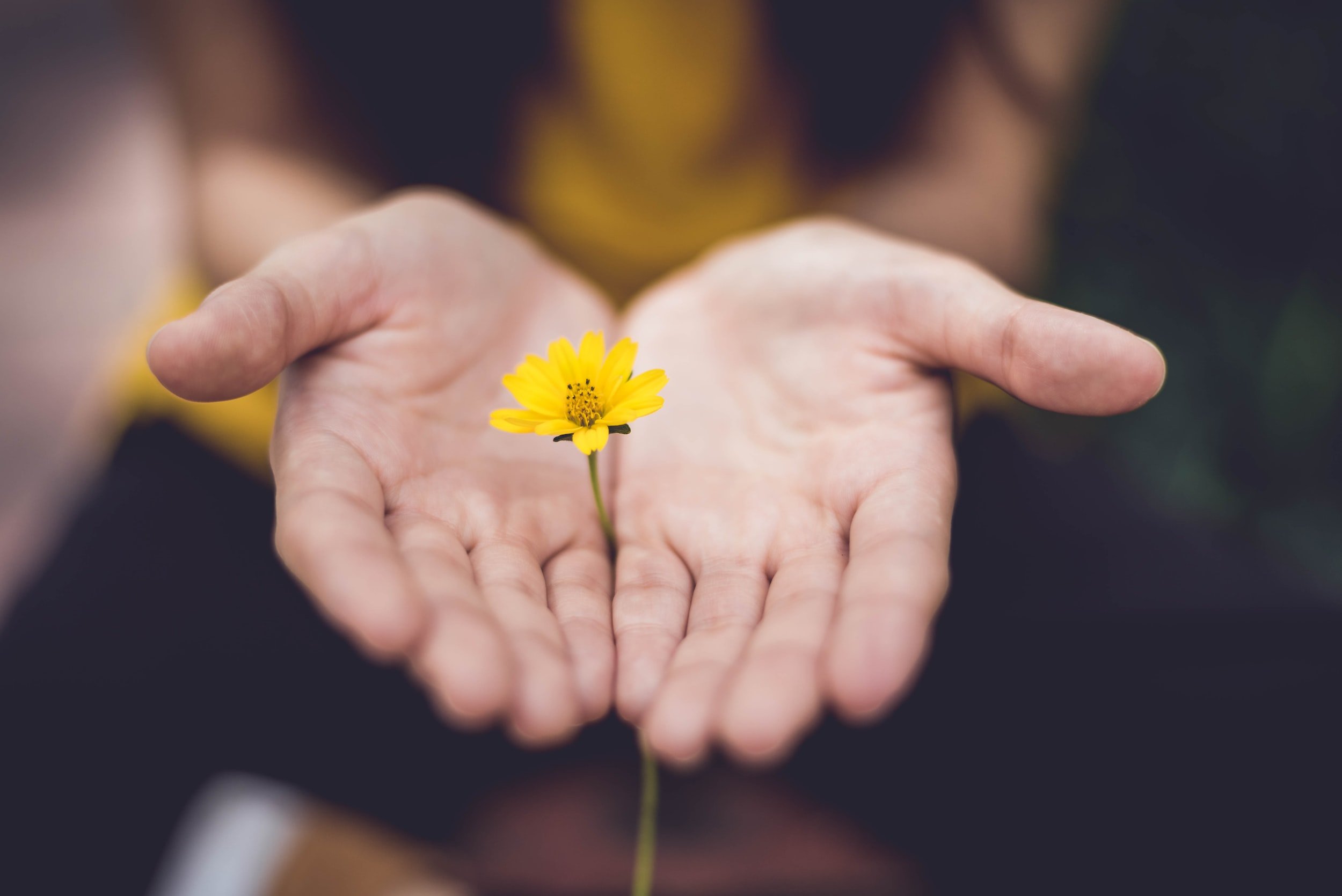
Once upon a time in a small, secluded village, there lived a woman named Alina.
Her life had been filled with hardships and sorrow, yet she remained kind and compassionate. She often tended to the village's sick and offered comfort to those in need. Despite her own pain, she never let it deter her from her mission to help others.
One fateful day, a powerful storm swept through the village, leaving devastation in its wake. Many homes were destroyed, including Alina's, and she lost nearly everything she held dear. She was buried under the rubble, her body battered, and her spirit nearly broken. As she lay there, trapped and frightened, she felt an overwhelming sense of despair.
Hours passed, and as the storm subsided, the villagers banded together to rebuild their lives. They eventually found Alina, weak and injured, and rushed her to the village healer. As she lay in bed, she was plagued by nightmares that made her relive the storm over and over again. She could barely sleep, and her physical and emotional pain only worsened. One night, as Alina lay awake, her heart heavy with sadness, a mysterious, gentle voice whispered in her ear, "Seek the heart of the forest, and you shall find what you are looking for." Startled, she looked around, but saw no one. The voice, however, echoed in her mind and gave her a newfound sense of purpose.
Determined to find solace and healing, Alina mustered her strength and set out on a journey to the heart of the forest. She walked for days, her body aching and her spirit weary. Finally, she arrived at an ancient, towering oak tree. Its branches seemed to reach the sky, and its roots were as deep as the earth itself. It emanated an aura of serenity and wisdom.
Alina approached the tree, her heart pounding in her chest. "Please," she whispered, "show me the way to heal and find peace." A warm, golden light enveloped her, and she felt the tree's ancient energy flow through her. Images of her past traumas and pain surfaced in her mind, and she began to understand the lessons they held. The tree showed Alina how her suffering had shaped her into a compassionate, empathetic soul. She realized that her pain had allowed her to connect deeply with others and that her own healing journey would empower her to help heal others even more effectively.
The light dissipated, leaving Alina with a profound sense of peace and understanding. She knew that her suffering was not in vain, and her trauma had been the catalyst for her spiritual growth. Embracing her newfound wisdom, Alina vowed to continue her mission to heal and comfort others, now with an even greater capacity for empathy and understanding.
As she returned to her village, the people marveled at her transformation. Alina's strength and resilience inspired those around her, and she became a beacon of hope and healing for the entire village. She had transcended her trauma, and through her enlightenment, she helped others heal and find peace in the midst of their own storms.
Never give up.
Helena and Brian

Yin and Yang: The Dance of Opposites
They embody the belief that everything in existence has an inherent duality. This Life in Synergy blog will delve into the origins of yin and yang, their symbolism, and how they influence various aspects of life.

Yin and yang are fundamental concepts in Chinese philosophy, representing the interconnectedness and interdependence of opposing forces in the universe.
They embody the belief that everything in existence has an inherent duality. This Life in Synergy blog will delve into the origins of yin and yang, their symbolism, and how they influence various aspects of life.
Origins of Yin and Yang
Yin and yang originated from ancient Chinese cosmology, dating back to the Yin and Zhou dynasties (approximately 1600-256 BCE). These concepts were later refined and elaborated upon by prominent Chinese philosophers such as Confucius and Laozi. They are integral to Daoist philosophy, which focuses on the harmony and balance of natural forces.
Symbolism and Meaning
Yin and yang are symbolized by a circle divided by a curved line, forming two teardrop-shaped sections. Each section contains a small dot of the opposite color, representing the presence of the other within it. Yin, the darker section, is associated with femininity, darkness, cold, passivity, and receptivity. Yang, the lighter section, represents masculinity, light, heat, activity, and assertiveness.
Interconnectedness and Balance
Yin and yang are interconnected and interdependent, as one cannot exist without the other. They are constantly in motion, transforming into one another and maintaining balance in the universe. The harmony between yin and yang can be observed in nature, where opposing forces work together to create balance and unity.
Influence on Daily Life
Yin and yang can be applied to various aspects of daily life, including health, relationships, and personal development. In traditional Chinese medicine, illness results from an imbalance of yin and yang energies in the body. By restoring balance through acupuncture, herbal medicine, or qigong, health can be restored.
In relationships, a harmonious partnership is achieved when both partners embody a balance of yin and yang qualities. Recognizing and appreciating the duality in each other strengthens the bond.
Personal development involves finding balance within oneself by embracing both yin and yang qualities. Cultivating self-awareness and mindfulness can help individuals achieve a state of harmony and inner peace.
Yin and yang are ancient concepts that continue to resonate in modern times, providing insight into the nature of duality and balance in our lives. By understanding and embracing these principles, we can cultivate harmony within ourselves and our relationships, ultimately leading to a more fulfilling and balanced life.
Helena and Brian

The Art of Fumbled Opportunities and the Symphony of BS: A Masterclass
Today, we'll embark on a whimsical journey through the chaotic universe of missed chances and never-ending BS. A realm….

Greetings, fellow aficionados of life's absurdities!
Today, we'll embark on a whimsical journey through the chaotic universe of missed chances and never-ending BS. A realm where the mighty gods of Sarcasm and Irony reign supreme, and where humans with butterfingers excel in fumbling opportunities, only to create a majestic symphony of nonsense.
Chapter One: The Dropped Ball Chronicles
We've all had our fair share of missed opportunities. Like that time you had a perfect chance to talk to your crush, but instead, you decided to flirt with a fire hydrant. Or when you were handed the opportunity to invest in Bitcoin back in 2010, but you opted for Beanie Babies instead. Ah, such is life, where we boldly stumble where no one has stumbled before.
Take my buddy Steve, for instance. Steve had the chance to score free front-row tickets to the Super Bowl, but instead, he got food poisoning from a suspicious street taco. Now, if that's not a double whammy of fumbled fortune, I don't know what is!
Chapter Two: The BS Symphony in C Major (C for Crap)
As we navigate the treacherous waters of missed chances, we are inevitably confronted with the melodious tunes of pure, unadulterated BS. The world is teeming with it - from fabricated résumés to politicians' promises, and even those pesky Instagram influencers who swear by their skinny teas.
Let's turn our attention to Aunt Linda, a master conductor of the BS Symphony. Aunt Linda is the reigning queen of multilevel marketing schemes. With her unwavering belief in essential oils, she has attempted to cure everything from the common cold to global warming. Unfortunately for Aunt Linda, her essential oils have yet to turn a profit or save the planet, but she remains the embodiment of relentless BS.
Chapter Three: The Fine Art of Embracing the Chaos
The key to surviving the tumultuous landscape of missed chances and continuous BS is to learn to embrace the chaos. After all, what would life be without these absurd moments that make us question our sanity?
Think about it - if we nailed every opportunity that came our way, where would the fun be? What stories would we tell our grandchildren, or share with friends over a pint of beer? The truth is, our mistakes and follies make us human and give us character.
So, as you navigate this rollercoaster ride we call life, remember to take a moment to appreciate the beauty of fumbled chances and the harmonious sounds of the BS Symphony. And always keep in mind, the key to a life well-lived lies in embracing our own imperfections and finding humor in the madness that surrounds us.
In the immortal words of Bob Ross, "We don't make mistakes, just happy little accidents."
Keep on fumbling, friends
Helena and Brian
2026 Insight: Many people are noticing that the same life patterns they thought they had outgrown are resurfacing in new ways — often more subtly. This is part of the deeper alignment cycle this work addresses.

Journey to Joy: 5 Proven Ways to Boost Your Wellbeing
As humans, we often prioritize work, relationships, and daily tasks, leaving little time to focus on our mental and emotional health. However, research has shown that investing in our wellbeing can lead to….

In today's fast-paced world, it's easy to become overwhelmed and lose sight of our own wellbeing. ‘
As humans, we often prioritize work, relationships, and daily tasks, leaving little time to focus on our mental and emotional health. However, research has shown that investing in our wellbeing can lead to a happier, healthier, and more productive life. In this blog, we will explore five proven ways to boost your wellbeing, which are backed by scientific evidence.
Connect with others
A strong support system is essential to maintaining a healthy emotional state. Building and nurturing relationships can improve our sense of belonging and help us cope with stress, anxiety, and other mental health issues.
Ways to connect with others:
Make time for friends and family
Join clubs, societies, or community groups
Engage in conversation and active listening
Be open and genuine with your feelings
Stay active
Regular physical activity is not only essential for maintaining good physical health but also plays a significant role in mental wellbeing. Exercise releases endorphins, which help improve mood, reduce stress, and enhance self-esteem.
Ways to stay active:
Aim for at least 150 minutes of moderate-intensity exercise per week
Choose activities you enjoy, such as swimming, SFM, or hiking
Incorporate exercise into your daily routine
Mix up your activities to keep things interesting
Keep learning
Continuing to learn throughout life can enhance self-esteem and foster a sense of accomplishment. Challenging your brain can help keep your mind sharp and contribute to overall mental wellbeing.
Ways to keep learning:
Attend workshops, seminars, or online courses such as Helena Collins Apex Life in Synergy
Read widely and engage in discussions
Embrace challenges and be open to new experiences
Give to others
Helping others and expressing gratitude can have a positive impact on our own emotional wellbeing. Acts of kindness can help foster a sense of purpose and contribute to increased happiness and life satisfaction.
Ways to give to others:
Volunteer your time or skills to a local charity or community project
Offer support or encouragement to friends and family
Perform small acts of kindness, such as complimenting someone or helping a neighbor
Be mindful
Mindfulness involves paying attention to the present moment, allowing us to become more aware of our thoughts, feelings, and bodily sensations. Practicing mindfulness can help reduce stress, improve mental clarity, and increase self-awareness.
Ways to be mindful:
Focus on one task at a time, rather than multitasking
Connect with nature and observe the world around you
By incorporating these five ways to wellbeing into your daily life, you can significantly improve your mental and emotional health.
While it may take time and effort to create new habits, the long-term benefits are well worth the investment. Remember that everyone's journey to wellbeing is unique, so experiment with these strategies and find what works best for you. Embrace the journey, and enjoy a happier, healthier life.
Helena and Brian

The Road to Social Wellness: Navigating Connections in a Complex World
Social wellness refers to the ability to develop and maintain meaningful, positive relationships with others while effectively navigating various social situations….

In a fast-paced world where technology, globalization, and shifting social norms are continually shaping our interactions, social wellness has become an increasingly important aspect of overall well-being.
Social wellness refers to the ability to develop and maintain meaningful, positive relationships with others while effectively navigating various social situations. It is a critical component of personal growth, mental health, and happiness. In this blog post, we will explore the different dimensions of social wellness, discuss the importance of fostering strong connections, and provide practical tips on how to improve your social well-being.
Dimensions of Social Wellness
Emotional Intelligence (EQ) Emotional intelligence, or EQ, is the capacity to recognize, understand, and manage our own emotions and those of others. People with high EQ can empathize, communicate effectively, and build strong relationships.
Communication Skills The ability to express oneself clearly and assertively while also listening actively and openly to others is an essential element of social wellness. Good communication fosters understanding, trust, and mutual respect.
Social Support A robust social support network is a vital component of social wellness. Having a circle of friends, family, and acquaintances who provide emotional, informational, and practical support can significantly impact our overall well-being.
Conflict Resolution Learning how to manage conflicts constructively and find mutually beneficial solutions is an important aspect of social wellness. It enables us to maintain harmony in our relationships and fosters a sense of belonging.
The Importance of Social Wellness
Physical Health Benefits Research has shown that strong social connections can lead to a healthier lifestyle, lower stress levels, and even increase longevity. Socially well individuals are more likely to engage in regular exercise, eat healthily, and maintain a balanced lifestyle.
Mental Health Benefits Socially connected individuals are less likely to experience depression, anxiety, and other mental health issues. Social support can help buffer against stress and provide a sense of belonging and purpose.
Personal Growth Being socially well allows for personal growth and development. Engaging with others exposes us to new perspectives, ideas, and experiences, fostering a greater sense of self-awareness and understanding.
Tips for Improving Social Wellness
Cultivate Emotional Intelligence To improve your EQ, practice self-awareness, empathy, and active listening. Reflect on your emotions and reactions to various situations and work on understanding others' perspectives and feelings.
Develop Communication Skills Learn how to express your thoughts and feelings assertively without being aggressive. Practice active listening by giving others your full attention, asking open-ended questions, and reflecting on what they have said.
Build a Support Network Invest time in developing meaningful relationships with friends, family, and colleagues. Attend social events, join clubs or organizations, and participate in community activities to expand your social circle.
Learn Conflict Resolution Techniques Develop skills for managing conflicts in a healthy way, such as using "I" statements, identifying common goals, and finding win-win solutions. Practicing these techniques can help reduce tension in your relationships and create a more positive social environment.
Set Boundaries Establishing healthy boundaries with others is crucial for maintaining social wellness. Communicate your limits, be assertive when needed, and learn to say no when necessary.
Social wellness is a multifaceted concept that encompasses our ability to create and maintain meaningful relationships, communicate effectively, and navigate the complexities of social interactions. By cultivating emotional intelligence through deep introspection and constant improvement through developing intuitive communication skills, building a strong internal voice, and learning to resolve past patterned conflicts, we can enhance our social well-being and ultimately lead a more balanced, fulfilling life.
Helena and Brian